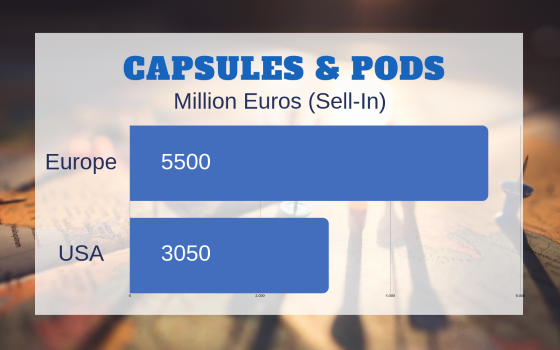
In the last years capsules have had a great impact on the world of coffee, raising the competition and pushing operators to expand their range of offerings more and more.
The impact of capsules on the coffee market (Part 1)

Data Intelligence for the coffee industry
In the last years capsules have had a great impact on the world of coffee, raising the competition and pushing operators to expand their range of offerings more and more.

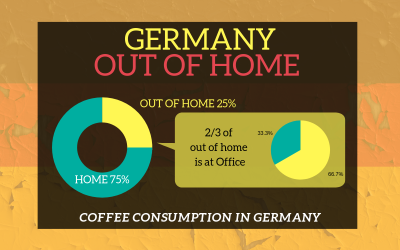
The Office Coffee Serice is one of the industry’s strongest growing markets worldwide. The reasons are essentially three.

With a with a coffee per capita consumption more than 7 kg, Canada is positioned in the coffee top ten of countries in the world that drink more coffee per capita.
The vending and coffee industry is on move and creating a new potential business. The GCA sees opportunities for growth in one sector.
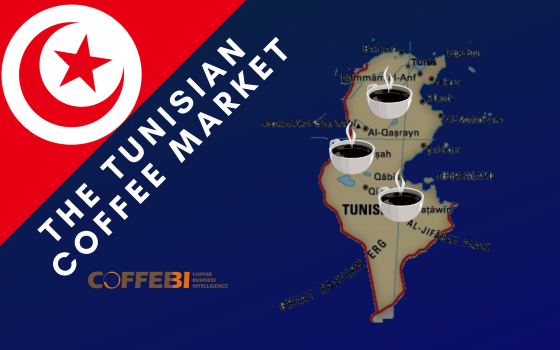
Tunisia is a small country and the coffee consumption is concentrated in urban areas. The Ministry of Commerce (OCT) is controlling the coffee import. The coffee is sold to the roasters at the same prices whatever it is: around 2€/kg.
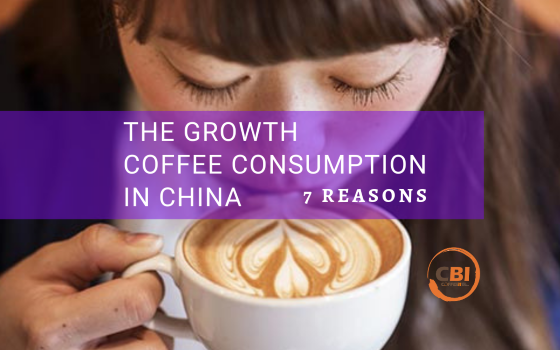
In the last few years, China has become one of the largest coffee consumers in the world. Here 7 points to know the reasons.

The key factors that may boost the coffee consumption in the USA and the main trendy coffee of 2019 that is forecasted to set to take the coffee world by storm.
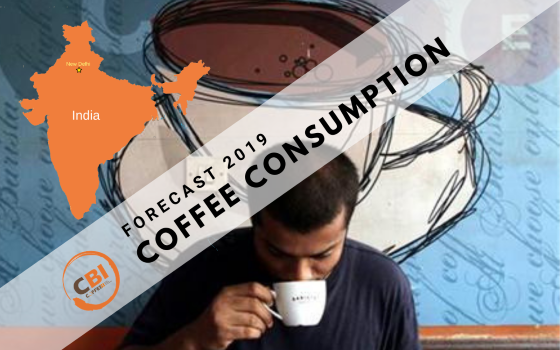
Is India still a tea country? In the last decade coffee demand is indicative of a change in coffee and tea culture. Learn more.

In China, some market conditions are different. A low number of coffee shops compared to the population, especially in large towns, and the boost in coffee consumption (at two-digits) in particular out of home.
The hot coffee delivery is, therefore, a new opportunity to satisfy the large coffee demand.
At the moment, there is no available data to see if the delivery system will be appreciated by customers, the fact is that the giant coffee chain Starbucks is also moving towards signing a partnership with Alibaba, China’s largest online retailer, to launch delivery services in September. The new deal will see Starbucks integrate a “virtual store” in online shopping and payment apps.
The hot coffee delivery model, launched by the Chinese company Luckin, is fueling the debate among operators: May this new model change coffee habits?

As explained by Qian Zhiya, Luckin Coffee founds its business model starting from some weak points of coffee shops in China: high prices and lack of presence. “In western countries, the price of a cup of coffee consists of only 1/1,000 of people’s monthly income. In contrast, it is almost 1/100 for people living in China”. “Also, the number of coffee shops in the mainland is very limited. As opposed to Taiwan, where the population of 23.5 million enjoys over 5,000 CITY CAFE shops (a brand launched by 7-Eleven), there are only 300 Starbucks stores in Beijing, a city populated with 29 million people”. Find out more about Luckin.