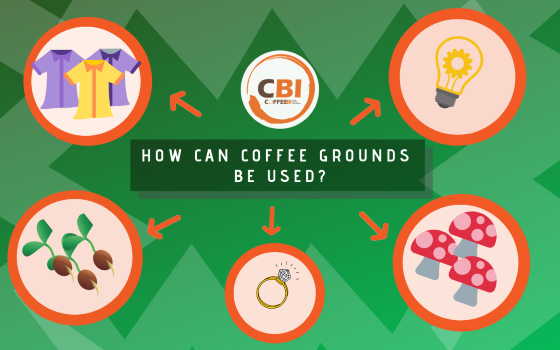
How can coffee grounds be used? 5 ways to engage the coffee industry in the circular economy by thinking about what happens to a key waste product.
Future grounds: How coffee grounds can be used in the circular economy

Data Intelligence for the coffee industry
How can coffee grounds be used? 5 ways to engage the coffee industry in the circular economy by thinking about what happens to a key waste product.
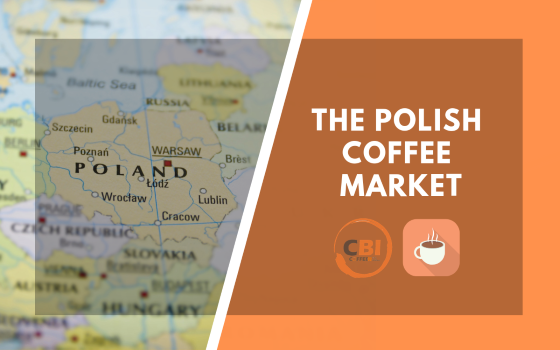
Poland is a country that has only recently started to discover its love of coffee and its market is dominated by coffee shop chains and by consumers’ desire to drink better quality coffee.

Why should you invest in your barista? 5 reasons why you should invest in barista training according to our Opinion Leader, Vanessa Lee.

Coffee has become so popular in Northern Europe that all Scandinavian countries consider it their national drink. The coffee served in all the Nordic Area see the strong presence of independent coffee shops. Learn more

As of now, Three3 different waves of coffee have been identified, giving insights into the many ways that coffee has evolved and adapted in our society. What are the different waves of coffee and what’s the difference between them?

Christmas and New Year are one of those times when you can really use the season to take more money, but planning is essential. Here you are 7 Advice tips for helppinghelping your coffee business at Christmas.

A few years ago, a lot of natural coffees were defined as fermented ones. Today, the cursor moved to accept more natural processes and therefore, natural coffees. Flavours are described as “complex” in opposition with “clean cup” for the coffees processed with the washed method.
Sign up to read more…

There are different factors that affect how much caffeine ends up in a cup of coffee, but how much does roasting really affect it?

Espresso machines are highly complex, so cleaning them can be a lot more difficult than expected. This infographic aims to be a short guide for cleaning the group heads and steam wand in 9 steps.

It’s important to rethink the way that coffee residue is handled, by looking at both the environmental and economic benefits that can be developed. The first step towards doing so is by tackling the problem at the early stages of coffee production.