
According to a recent CoffeeBI analysis on the coffee market in Germany, three companies are ranked at the top for coffee sales in the HoReCa segment: Tchibo (the leader) followed by Alois Dallmayr and JJ Darboven. These three companies together hold 40% of shares in the HoReCa. In Germany currently there are about 130 coffee roasters operating, these being located particularly in North
Author: Mariano Peluso
Brexit: Don’t panic, keep calm and carry on!
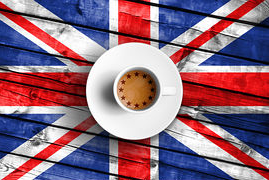
Following the surprise result of the BREXIT referendum, some of our friends in Europe have been asking us what we think the impact will be on the UK’s coffee shop industry. As the UK enters a new era of economic uncertainty, the coffee shop industry is well-placed, as over the last seven years coffee shops have flourished and coffee has
Brexit: what London means for the world of coffee
At the time of writing, we do not yet know what will happen to the European coffee economy after the British referendum to possibly leave the EU, but for sure we can describe what London means for the world of coffee and how the UK is related to the European coffee economy. In the coffee world, London represents the fixed point in
Europe: The Numbers of Espresso Machine Production
Only two countries, Italy and Germany, account for two thirds of total production. Half of the main production sites are located in Italy, while other numerous sites are located in Switzerland and Spain [Sign in to continue]
Not Only Tea: The Japanese Are Coffee Lovers
It seems strange to talk about coffee culture in a country like Japan, which is stereotypically considered a country where tea is the main staple. But if we look deeper we see that coffee consumption in Japan started at the end of the 18th century thanks to the Dutch living in Nagasaki and the first bulk imports there were in 1877. During the last 40 years Japanese coffee consumption has increased. Today Japan represents the third largest country in terms of total consumption of coffee among importing countries (All Japan Coffee Association).
In Japan, coffee consumption per capita was 207 cups in 2014, compared with 240 in South Korea [Sign in to continue]
Europe Between Traditional and Automatic Espresso Machines
When it comes to espresso machine manufacturing, the industry hasn’t strayed far from its original European roots. The continent continues to house the largest number of manufacturers of professional espresso coffee machines worldwide – by a long shot. Europe is not only the largest manufacturer of espresso machines, but has also found itself as the meeting point of two different
The Key Factors in the Coffee Machine Distribution

One of the main thoughts of a coffee machine manufacturer is the way to find a good distributor. The type of machine supplied and the minimum quantity of coffee requested depends on different factors, according to coffee roasters interviewed. This includes the size of the coffee shop and how much coffee it sells. The potential economic return of a customer
Coffee Plus Machine: When the Distributor Matters
Espresso coffee machines arrive to the Horeca market mainly through the intermediaries that assess the requests of their customers (bar, restaurants, cafés etc.), against the costs and economic returns of the machines. These intermediaries enter agreements with manufacturers and select one or more brands of coffee machines to present to their customers. In terms of purchasing agreements, these can vary
The Business Model of Coffee Machine Distribution
The business model of the distribution of coffee machines represents an important indicator that could influence the future development of the coffee industry. The importance comes from the main debate concerning the freedom of the Horeca market to choose multi-suppliers and offer to the end user different types and qualities of coffee. That the espresso machine market is so closely
2000 Random Acts of Kindness

Suspended coffee, or ‘caffè sospeso’ as it was originally known, originates from Naples in Italy where prosperous customers would buy a coffee for someone less fortunate to enjoy later on, a form of pay forward.