
This is hardly breaking news: Survival in the increasingly crowded and competitive coffee marketplace is hard, very hard. In a world of strong international chains and franchises, the average street corner coffee shop wages a daily battle to nibble at new parts of market. However, opening a new bar is the dream of many, but is there still place left
Tag: Marketing
Build It. They Will Come
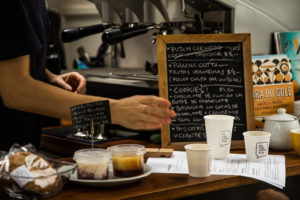
‘Build it; they will come.’ may have worked for Kevin Costner in ‘The Field of Dreams’ but it’s a strategy that rarely works for coffee shops. Recently we stumbled over one of the best independent coffee shops we never knew existed. We have just been to a town that we visit very infrequently, for a crucial meeting and coming out
Why a Not for Profit needs to be Profitable!

Profit is not always purely financial; it can be measured as an advantage or benefit derived from an activity. In particular for charities or social enterprises who will measure their success in many other ways. Every week we talk to many coffee shops and Cafe from different sectors, including the not for profit & charity sector. We come across more
CoffeeBI becomes an SCAE member
Since September 2016 and less than 1 year from its launch, CoffeeBI has become an SCAE (Speciality Coffee Association) member, a sign of a gradual but fast growth of our project in the coffee industry. This is an important stage that shows our commitment in being closer the players of the coffee industry in order to help them manage every problem
Put Turbo in your Loyalty Program

The Coffee Shops oldest and still the most popular loyalty scheme is the good old stamp card; most coffee shops use stamp cards or something similar to encourage repeat business, but most businesses are missing a massive opportunity to improve their impact significantly. It’s all to do with a psychological effect called ‘The Endowed Progress Effect.’ So here’s the way
13 Ways Independent Coffee Shops Can Beat The Coffee Chains

How do I compete with the chains?
We get asked this a lot, particularly at a time when an existing independent coffee bar finds itself with a new big branded neighbor. We have had a lot of experience of this over the last 10 years and in fact, we compete in our own business successfully against a much larger national chain.
But what are the key elements to effectively attract customers in the face of the big brands?
Brand Comfort
The biggest advantage the chains have over you is that the customer knows what they are going to get when they walk through their doors. The chances of them recognizing the brand or even having already visited this chain in another town are high. It’s the same reason we drink coke when we are in a foreign country, it’s the safe option.
To combat this feeling of safety you should look at your business from across the road. Does it look inviting, are there visual clues for the customers so they understand what to expect? Is your signage clear and does it say what you do and stand for? For example, do you provide take away? It’s a given that the chains serve take away coffee but it’s not always so obvious in independents. Are your windows clean and your frontage litter free and are your food hygiene standards clearly visible? All these things will either encourage or deter guests from stepping over your threshold.
Consistency
Lack of consistency is a key reason you lose your customers. Your independence is a strength but the freedom that you give your team could be your downfall.
The chains expend a lot of corporate energy in ensuring that the brand standards are adhered to throughout their estate of shops. Strict rules are in place, much training is given and audits are happening every day to ensure that all drinks are made the same way and so taste the same everywhere they operate.
In some independents the lower levels of training, the cult of personality, where each barista has their own style of drink and the turnover of staff. All work together to reduce the chances of a guest getting the same drink made in the same way. This lack of consistency will drive customers away.
The successful independents work really hard to ensure that their drinks are always consistent and that their guests can feel comfortable that the flat white they order on Tuesday will be the same as the one they drank on Monday.
Service
This should be an easy win against the chains as your guests already believe the big chains are faceless so you are halfway there. What little things can you do to that will make you stand out from your competition? [Sign in to continue]
The bright and dark sides of coffee
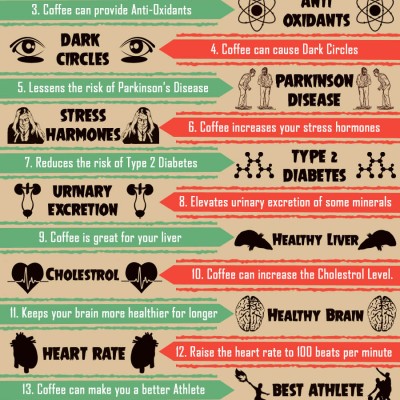
Coffee is like a pleasure and often it is the best way to bring happiness in life, a pleasant and a brewed drink that keeps our mind fresh and happy. Someone takes it as an energizer which boosts their mind and keep them more attentive and relax. But which is the dark side of the dark drink? The following infographic
The coffee alphabet according to Gimoka UK.
What’s the difference between Natural and Organic coffee? And what about Jamaica Blue Mountain? The amazing infographic below illustrates the key terms for each letter. Of course, there are much more coffee words out there, but Gimoka Coffee UK picked the most important and their favourite.
The UK loves coffee, some figures and infographics
Although the UK has always been a tea loving country, lately coffee has been gaining on popularity, mostly thanks to influence from the US. Coffee arrived in the United Kingdom in 17th century and the first café was opened in Oxford in 1650. Early coffee houses in Britain were called ‘penny universities’ because with only one penny, a person could buy a
Distribution strategies in France

FRANCE – The opening of own brand stores has been the distribution strategy of the coffee machine leading companies in recent years. In their stores the coffee roasters can sell their products and communicate their imagine of quality. Recently, the global economic crisis has stopped most of new opening activities and the companies focused more to expand and strengthen their distribution