Category: Markets & Figures

Korea: The Coffee Republic

Korea-300x212

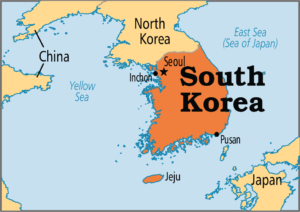
Everyone, I suppose, knows the song “Gangnam style” the K-pop single by the South Korean rapper Psy that on December 2012 became the first YouTube video to reach one billion views. Well, this song satirized “a classy girl who know how to enjoy the freedom of a cup of coffee”. In these words, all what is going on in South Korea: Coffee has become a powerful indicator of class status symbol. Moreover, coffee is the number one beverage in the country (53% of the total drink market) and has even surpassed the demand for “kimchi”, South Korea’s national dish (according to a study by the International Business Times).

On average, the study showed, South Koreans drink coffee 12.2 times per week; they eat “kimchi”, a mix of fermented vegetables that has been a part of the Korean diet since the 1500s, 11.9 times per week and white rice only 6.9 times per week. To drink a fresh bean coffee is not always cheap. In Seoul, a “cup of Joe (COJ)” is more expensive than in the U.S. (about $3.80 against $2.25 on average).[Sign in to continue]

Tchibo Confirms Its Leadership in the German HoReCa Segment

According to a recent CoffeeBI analysis on the coffee market in Germany, three companies are ranked at the top for coffee sales in the HoReCa segment: Tchibo (the leader) followed by Alois Dallmayr and JJ Darboven. These three companies together hold 40% of shares in the HoReCa. In Germany currently there are about 130 coffee roasters operating, these being located particularly in North

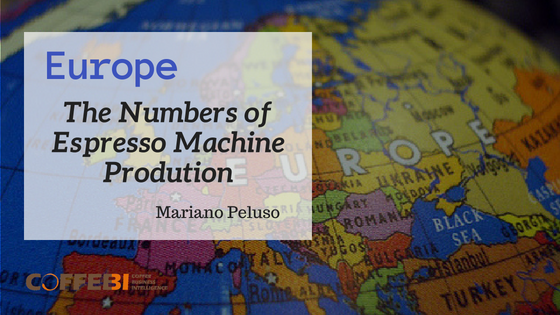
Europe Between Traditional and Automatic Espresso Machines

When it comes to espresso machine manufacturing, the industry hasn’t strayed far from its original European roots. The continent continues to house the largest number of manufacturers of professional espresso coffee machines worldwide – by a long shot. Europe is not only the largest manufacturer of espresso machines, but has also found itself as the meeting point of two different

Coffee Plus Machine: When the Distributor Matters

Coffee Plus Machine: When the Distributor Matters

Espresso coffee machines arrive to the Horeca market mainly through the intermediaries that assess the requests of their customers (bar, restaurants, cafés etc.), against the costs and economic returns of the machines. These intermediaries enter agreements with manufacturers and select one or more brands of coffee machines to present to their customers. In terms of purchasing agreements, these can vary